
AI Integration Services
Bring AI capabilities into your software to reduce manual work, improve access to business information, and make everyday workflows more efficient. At SysGears, we provide AI integration services covering LLMs, RAG systems, and AI agents. We also integrate document, image, and speech processing capabilities, along with predictive models, into existing applications and workflows.
SysGears in Numbers
16+
years of software development experience
350+
clients across 6 continents
110+
software development specialists, including AI experts
10+
years of partnership with our longest-standing client
How AI Integration Improves Business Operations
According to SysGears’ CTO, Dmytro Pavlenko, the business value of AI integration goes beyond automating individual tasks. When connected to existing software and data, AI can change how employees access information, manage workflows, and interact with customers. These changes can have a direct impact on several aspects of daily business operations.

More Personalized Customer Experiences
AI assistants can use information from connected business systems to provide responses relevant to each customer’s situation. Instead of relying solely on predefined answers, they can retrieve purchase histories, account details, or service records to address specific inquiries. The same customer data can also support personalized product recommendations based on previous purchases and preferences.

Better Operational Insights and Decision Support
AI can help businesses get more useful information from the data they already collect. For example, a retailer could use machine learning models to forecast product demand based on historical sales and other relevant factors. Similar AI integration solutions can flag unusual financial transactions for investigation or help operations teams identify recurring problems. With these capabilities integrated into existing software, employees can use the findings when planning resources or deciding which issues need attention.

More Efficient Workflows Across Systems
Business processes often require employees to use several applications to complete a single task. AI agents can handle some of this coordination by gathering information from connected systems and performing actions within defined limits. For example, an agent could check order details, identify a delivery issue, and create a support ticket when necessary. The company’s existing software would still check whether the requested actions are allowed and apply the relevant business rules.

Less Manual Document and Data Processing
Invoices, contracts, customer emails, and recorded conversations contain information that businesses regularly need to extract and organize. AI can help classify documents, identify relevant details, and convert unstructured content into data that other applications can process. This reduces manual data entry and allows employees to concentrate on records that require further examination.

Easier Access to Business Software and Information
Working with complex enterprise applications often requires employees to navigate multiple screens, reports, and databases. With the help of AI-powered interfaces, they can retrieve information or request specific operations using natural language. For instance, a sales manager could ask for a summary of overdue deals, including recent customer interactions, without reviewing each CRM record separately.
Businesses can evaluate the results by looking at changes in processing time, the amount of work requiring manual review, and operating costs. Comparing these figures with performance before implementation can help determine whether the investment is paying off.
Our AI Integration Capabilities
As an AI integration company, SysGears develops the software components needed to connect AI models with existing applications, data sources, and business workflows. Our services cover LLM-powered features, RAG systems, AI agents, document and media processing, and predictive analytics.

LLM Integration
Incorporate features such as text generation, summarization, and conversational assistance into your existing software using models from providers such as OpenAI, Anthropic, and Google. Our developers build the API integrations, backend logic, and application interfaces needed to deliver these capabilities. We configure model parameters and prompts to guide responses and implement structured outputs when generated information needs to be processed by other software components.

RAG Integration
Enable your AI applications to work with company documents, knowledge bases, and other internal resources. As part of our RAG integration services, SysGears develops pipelines that retrieve relevant content and provide it to language models as context for generating responses. Our work can include document ingestion, text processing, embedding generation, search configuration, and integration with existing access permissions.

AI Agent and Workflow Integration
Connect AI agents to the applications and APIs they need to carry out business tasks. Our engineers develop tool integrations and orchestration logic that allow agents to retrieve information, select permitted operations, and coordinate multi-step workflows, using standards such as Model Context Protocol (MCP) where appropriate. We also implement backend authorization checks, input validation, and human approval mechanisms to control which operations agents can perform and enforce applicable business rules.

Multimodal AI Integration
Add AI capabilities that process and combine information from text, images, and audio within a single workflow. Our engineers integrate multimodal models or connect specialized components for speech recognition, image analysis, and document processing. For example, a customer support application could analyze a recorded conversation alongside uploaded photos to prepare a case summary for an employee to review.

Machine Learning Integration
Introduce predictive models and analytical capabilities into software that already collects and processes business data. Our team can integrate machine learning models for demand forecasting, anomaly detection, recommendations, and other analytical tasks. This may involve preparing data pipelines, developing model-serving APIs, and adapting application functionality to present predictions or make model outputs available to established business processes.
Business Systems and Applications We Integrate AI With
The approach to AI system integration depends on the existing software architecture and the functionality being introduced. Whether AI is added to a customer-facing application or an enterprise platform, it may require changes to interfaces, business logic, system connections, and data access controls. At SysGears, we address these requirements when integrating AI with third-party business platforms and custom applications.

CRM, ERP, and Third-Party Business Platforms
Integrate AI with existing CRM, ERP, ticketing, and other business platforms. With the help of supported APIs and integration interfaces, our engineers connect AI functionality to business records and workflows. This enables features such as customer interaction summaries, request classification, account information retrieval, and assistance with authorized record updates.

Custom Business Applications
Extend your custom-built SaaS products, customer portals, mobile applications, and internal systems with AI functionality. Our developers can introduce conversational assistants, document analysis, and workflow automation into applications used for customer service, order management, inventory, scheduling, and other business tasks. We also connect these features to relevant data and knowledge bases and document repositories, adapting application interfaces and backend logic where necessary.

Discuss your AI integration goals with SysGears and explore the technical options for your project.
The Tech Stack We Use for Providing Artificial Intelligence Integration Services
Frontend
React
Next.js
React Native
Expo
Redux
MobX
Apollo Client (GraphQL)
Vite
JavaScript/TypeScript Backend Ecosystem
Node.js
Express
NestJS
Apollo Server (GraphQL)
WebSockets
BullMQ
Redis
Swagger
Sentry
TypeORM
Prisma
Mongoose
Python Backend Ecosystem
FastAPI
Django/DRF
Flask
Celery
SQLAlchemy
Pydantic
Pandas
NumPy
Scala Backend Ecosystem
Play Framework
http4s
Akka / Pekko
ZIO
Cats
FS2
Slick
Quill
Doobie
Caliban
AI Frameworks
LangChain
LangGraph
Pydantic AI
AI SDK
BeeAI
Mastra
LlamaIndex
Langfuse
AI Platforms
OpenAI
Anthropic
Google Gemini
VertexAI (Gemini Enterprise Agent Platform)
promptfoo
Voice AI
Vapi
OpenAI Whisper
ElevenLabs
OpenAI
Realtime API
Vector Databases
Pinecone
pgvector (PostgreSQL)
Qdrant
Cloud / Infrastructure
AWS
GCP
Azure
Docker
AI Integration in Practice: Our Projects

Our client had an initial version of an application that helps users analyze their dreams for stress relief and emotional release. They wanted to expand its functionality, introduce new features, and support a growing user base.
Our contribution: SysGears’ team integrated GPT-powered functionality to generate personalized interpretations of users’ dream descriptions. Our engineers also maintained backward compatibility between application versions and adapted the system to handle increasing traffic and API limitations.
AI-Powered Home Care Management Software
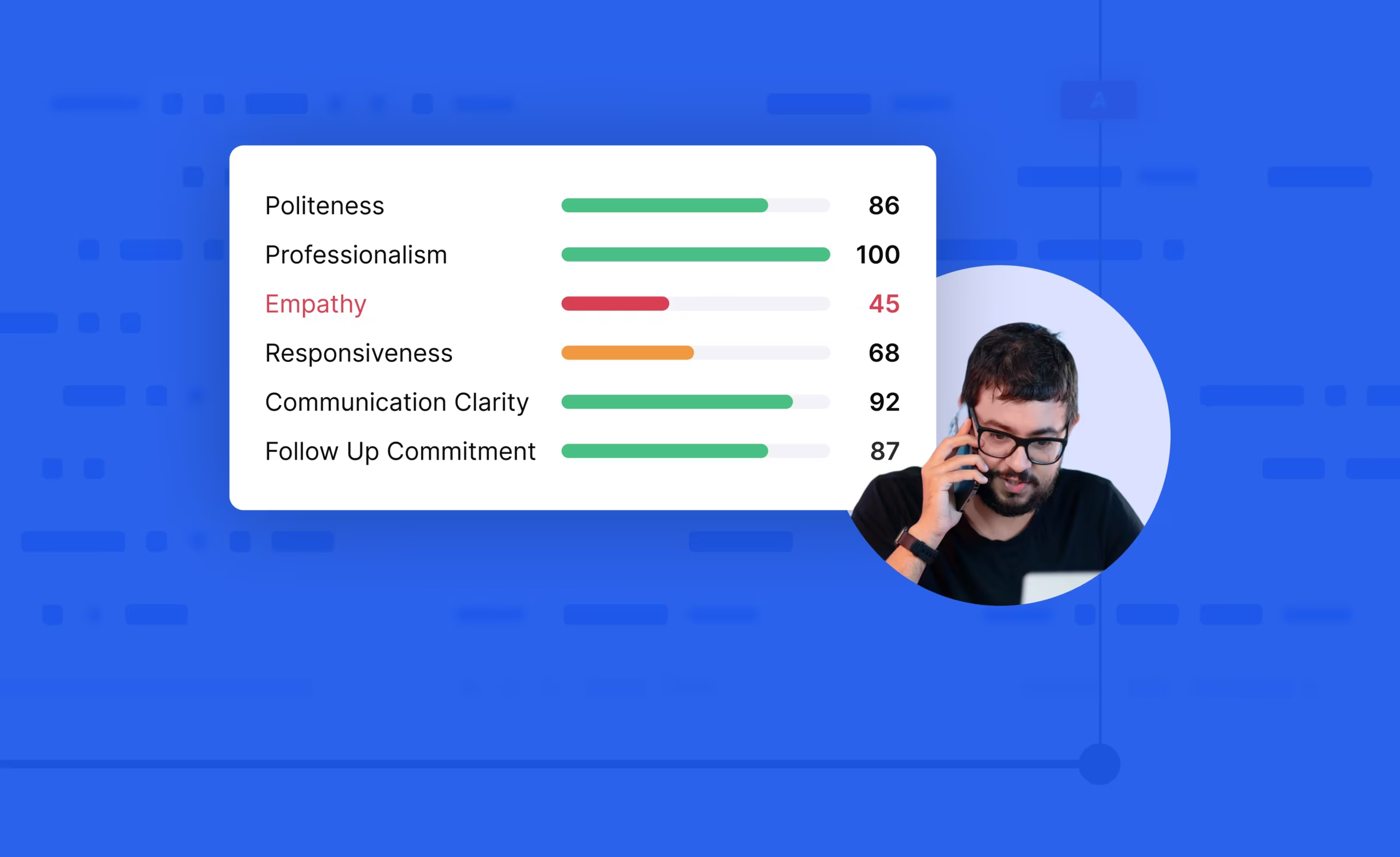
Our client aimed to create CommuniCare, an AI-powered platform that helps home care agencies evaluate employee performance and identify operational issues by analyzing recorded calls.
Our contribution: SysGears handled full-cycle platform development, including evaluating AI integration solutions for cost, functionality, and scalability. We implemented speech-to-text processing, AI-generated call summaries, and automatic extraction of follow-up tasks. Also, the platform includes employee performance scoring and agency-level analytics.
Our Clients on Working with SysGears

5.0

“SysGears put in an effort to make sure our project was completed with high quality.”
Christopher Shelner
COO, PersistAI Formulations Corp
5.0
“Their level of engagement, long-term mindset, and solid technical expertise make them a really reliable partner.”
Anastasiia Chala
CMO, Stormotion
5.0
“SysGears had a deep understanding of the project and consistently came up with efficient solutions for implementation.”
Hákon Ágústsson
Founder, MyTweetAlerts.com
5.0
“SysGears team feels like a part of our team, always interested in the overall project success.”
Jane
Client Success Manager, Custom Software Development Company
5.0
“SysGears’ responsiveness and flexibility were key factors to keep the project on track and meet our expectations.”
Executive, Rentweet
AI Integration Across Industries
Drawing on our experience developing AI-enabled software, we have identified opportunities to address different challenges across industries, from processing financial documents and supporting customer service to analyzing operational data. Explore how these capabilities can be applied to industry-specific software and workflows:
Financial Services and Real Estate

Fintech
Incorporating ML-based transaction risk scoring into payment review workflows; extracting dispute details into payment case records

Investment
Integrating portfolio risk models with investment management platforms; analyzing earnings calls and research documents within investment research tools

Insurance
Extracting information from policyholder calls and insurance claims into case management systems; checking submitted documents against policy terms for adjuster review

Lending
Identifying missing information in loan applications; preparing borrower financial summaries within loan origination platforms

Real Estate
Extracting key terms from lease agreements into property management systems; categorizing tenant requests and preparing maintenance tickets
Commerce, Marketing, and Hospitality

Ecommerce
Connecting shopping assistants to product catalogs and inventory data for personalized recommendations; helping customers prepare returns and exchanges through order management systems

Retail
Generating inventory replenishment suggestions from sales and stock data; identifying recurring reasons for product returns in retail management platforms

Travel and Hospitality
Finding attractive travel arrangements using booking and availability data; preparing reservation changes through booking systems

Digital Marketing
Identifying recurring customer concerns in campaign feedback; incorporating AI-generated content drafts into marketing approval workflows

Restaurant
Connecting conversational assistants to table availability and reservation systems; answering menu questions using verified restaurant information

Fashion
Providing size recommendations based on product measurements and customer preferences; analyzing clothing return reasons to identify sizing issues
Healthcare, Life Sciences, and Lifestyle

Healthcare
Preparing clinical notes for professional review within EHR systems; extracting relevant information from patient intake forms

Sports
Analyzing athlete performance and training records within coaching platforms; providing fans with information from connected match schedules and ticketing systems

Media and Entertainment
Generating searchable tags for content stored in media asset management systems; incorporating personalized recommendations into streaming platforms

Mental Health
Identifying recurring themes in personal journals and mood-tracking records; suggesting relevant self-help resources within mental health applications

Wellness
Suggesting training adjustments based on workout histories; personalizing exercise recommendations within fitness applications

Biotech
Extracting experimental details from laboratory reports into research management platforms; providing semantic search across scientific publications and internal research documents

Wellness
Recommending wellness programs based on user goals and recorded habits; adapting educational content within personalized wellness applications
Home Care
Extracting follow-up tasks from recorded care-related calls into agency management systems; flagging repetitive service concerns for supervisor review
Industrial Operations and Infrastructure

Telecom
Categorizing network incidents within technical support platforms; connecting customer service assistants to account and billing information

Construction
Identifying unresolved issues in site inspection reports; extracting change-order details into construction project management software

Manufacturing
Connecting maintenance management systems to searchable equipment manuals and service histories; identifying repeated faults in repair records

Transportation and Logistics
Extracting delivery exceptions from carrier updates into transportation management systems; preparing dispatch adjustments based on shipment and scheduling information

Energy
Detecting unusual consumption patterns in energy management systems; categorizing equipment-related incidents from operational reports

Agriculture
Identifying potential crop issues from uploaded field images; analyzing historical yield and field records within farm management platforms

Oil and Gas
Extracting equipment defects from inspection reports into asset management systems; identifying recurring maintenance issues across operational records

Automotive
Retrieving model-specific repair instructions within dealership service platforms; extracting warranty claim details from service documentation

Food and Beverage
Checking supplier documentation against purchasing records; identifying unusual quality control results within production management software
Why Choose SysGears for AI Integration Services?

With 16+ years of software development experience, SysGears specializes in projects involving AI functionality, third-party integrations, and complex application architecture. For example, our engineers integrated an AI system into an existing dream analysis app and developed an AI-powered call analysis platform for home care agencies. This experience allows us to approach AI integration projects with hands-on expertise in connecting models to business software.
Easier AI Model Updates and Feature Expansion
At SysGears, we design integrations that, where feasible, separate model-specific connections from your application’s core business logic. This lets you test alternative models, change AI providers, or expand your current functionality with fewer modifications to other parts of your software. As AI technologies and business requirements evolve, this approach helps reduce rework and development costs associated with it.

Control Over AI Access and Actions
We limit which business data AI agents can access and which operations they can request. Our engineers implement backend authorization checks to verify user permissions and business rules before changes are executed. Sensitive actions like modifying customer records or initiating transactions can also require human approval. This allows you to introduce AI-assisted workflows without giving agents unrestricted access to your systems, while maintaining your existing security controls.
Choose the Right Collaboration Model for Your AI Integration Project

Full-Scale Development
Outsource your AI integration project to SysGears and delegate the entire development process to our team. We handle requirements analysis, solution architecture, implementation, testing, and deployment, coordinating the work across all necessary specialists. After launch, we can also provide maintenance and implement further improvements as your business needs evolve.

Dedicated Team
Get a dedicated team to work on a particular step of your AI integration project or handle a broader range of development tasks. Based on your requirements, we assemble a team with the necessary technical expertise and coordinate its composition as the project evolves. Our specialists collaborate with your stakeholders, follow agreed priorities, and proactively make suggestions to improve overall integration quality.

Team Augmentation
Expand your existing engineering team with additional specialists through staff augmentation. Whether you need specific AI expertise or additional development capacity, we provide professionals who can start contributing to your project from day one. They work alongside your in-house engineers, follow your established processes, and take on tasks under your team’s technical direction.
How We Approach AI Integration Projects
Discovery and Requirements Analysis
During discovery, we discuss your business goals, current workflows, and the tasks you want to enhance with AI. Our experts examine potential use cases to determine where AI could be useful and where conventional software functionality may be sufficient. Together, we establish project priorities, technical and business requirements, and the expected results to prepare an initial development plan.
Systems and Data Assessment
Our engineers review your software’s architecture and the systems it needs to interact with. This includes checking available APIs, authentication mechanisms, data formats, and access restrictions. We also look at the quality and availability of the required data in order to identify any limitations that could affect the project. If the current infrastructure needs modifications to support AI integration, we determine what changes are necessary.
AI Solution Design
We design how AI will fit into your application and select technologies suited to your requirements. For example, if you want users to find information in internal documents, our professionals may recommend a RAG architecture. If your project involves AI agents performing actions in business systems, we define which tools and APIs they can access. We also account for your security needs, expected response times, usage costs, and any necessary human approval procedures.
Incremental Development and Integration
Our developers build the required components in short iterations, taking your project priorities and technical dependencies into consideration. The work may include integrating LLM APIs, developing data retrieval pipelines, implementing agent tools, and creating backend logic that connects AI services with your systems. Where necessary, we can also update your software’s interface in order to allow users to access the new features through familiar workflows.
Testing and AI Evaluation
Our QA specialists work alongside the development team to verify that the new functionality works correctly with your application and meets established requirements. We test API interactions, data exchange, and error handling, along with the quality of AI-generated responses across representative scenarios. If your solution includes AI agents, we can also evaluate how they deal with unauthorized requests, incorrect tool calls, missing information, and API failures. Performance, security, and usage costs are assessed according to your project’s requirements.
Deployment and Maintenance
We prepare the completed functionality for deployment in your target environment and verify that it works correctly with the connected systems after release. If you need further support, SysGears can maintain the integration, address issues that arise, and implement additional capabilities as your business requirements change.
How to Start Working with SysGears?
Looking to add AI-powered functionality to your software? Share your project details through our contact form, on-page chat, or email at info@sysgears.com. You can also schedule a meeting directly at a convenient time.
You do not need to have all the technical details figured out before contacting us. During the initial conversation, we will discuss your ideas, answer your questions, and determine the next steps. We can also discuss a suitable engagement model and sign an NDA beforehand if confidential information needs to be shared.
Once we have agreed on the scope of work and cooperation terms, we will finalize the necessary agreements and begin development.
For more information about working with SysGears, read this guide.
FAQ
What is AI Integration?
AI integration involves adding capabilities like text generation, information extraction, speech recognition, image analysis, and predictive analytics to software systems. For instance, an LLM can summarize customer support tickets, a speech recognition model is capable of transcribing calls, and when it comes to a computer vision model, it can identify objects in uploaded images.
At SysGears, we develop and integrate AI functionality into your systems, taking into account their architecture, data access requirements, and business logic.
How much does AI integration cost?
AI integration costs can range from around $10,000 for simple implementations to over $500,000 for complex enterprise projects. The final price is based on the functionality you want to add, the number and complexity of integrations, data preparation needs, and security requirements. Ongoing expenses may include model API usage, infrastructure, and maintenance.
SysGears’ experts work on an hourly basis, with rates between $39 and $80, depending on the specialist’s role and seniority. We can provide a project estimate after reviewing your existing systems and integration requirements.
How long does the AI integration process take?
The AI integration process can take anywhere from a few weeks for a relatively simple feature to 6-12 months or longer for complex enterprise-related projects. The timeline depends on your software architecture, the number of systems to connect, data readiness, as well as security and compliance requirements.
At SysGears, we assess these factors in order to estimate the development timeline and plan the work in iterations. This allows us to introduce and test new functionality incrementally, while accounting for dependencies between components.
How can generative AI benefit your business?
Generative AI can help you automate repetitive, language-intensive tasks and introduce new functionality into your software. For example, an LLM integrated into your CRM can summarize customer interactions and draft follow-up messages. An ERP-connected assistant can generate procurement reports using purchase orders and inventory data. An AI assistant with access to your internal knowledge base can also help your employees locate relevant information across company documents without the need to manually search each source separately.
SysGears’ team develops the integrations and application logic required to incorporate these capabilities into your software, including connections to relevant business data and interfaces for presenting AI-generated results to users.
Can AI be integrated into our existing software without major changes to our codebase?
Absolutely! In many cases, AI functionality can be added to software with the help of APIs, backend services, and modifications to application workflows without needing to rebuild the entire system from scratch. However, some integrations can require architectural changes, additional data processing capabilities, or updates to interfaces.
At SysGears, we assess your software architecture, available APIs, and technical constraints to determine how AI can be introduced while minimizing unnecessary changes to existing code.
How do you prevent an AI agent from performing unauthorized actions?
SysGears restricts the operations an AI agent can perform through tool permissions, user authentication, and authorization checks enforced by the application’s backend. Before executing an action, the system validates the request against business rules, user permissions, and other relevant constraints.
For operations that require additional authorization, our experts can configure the application to request human approval before taking an action. We can also log the agent’s tool calls, requested actions, and execution results in order to support auditing and troubleshooting.
Boost your business with custom software
Tell us about your business needs and we’ll suggest a solution
Thank you!
We have received your request and will get back to you within 1 business day.


